

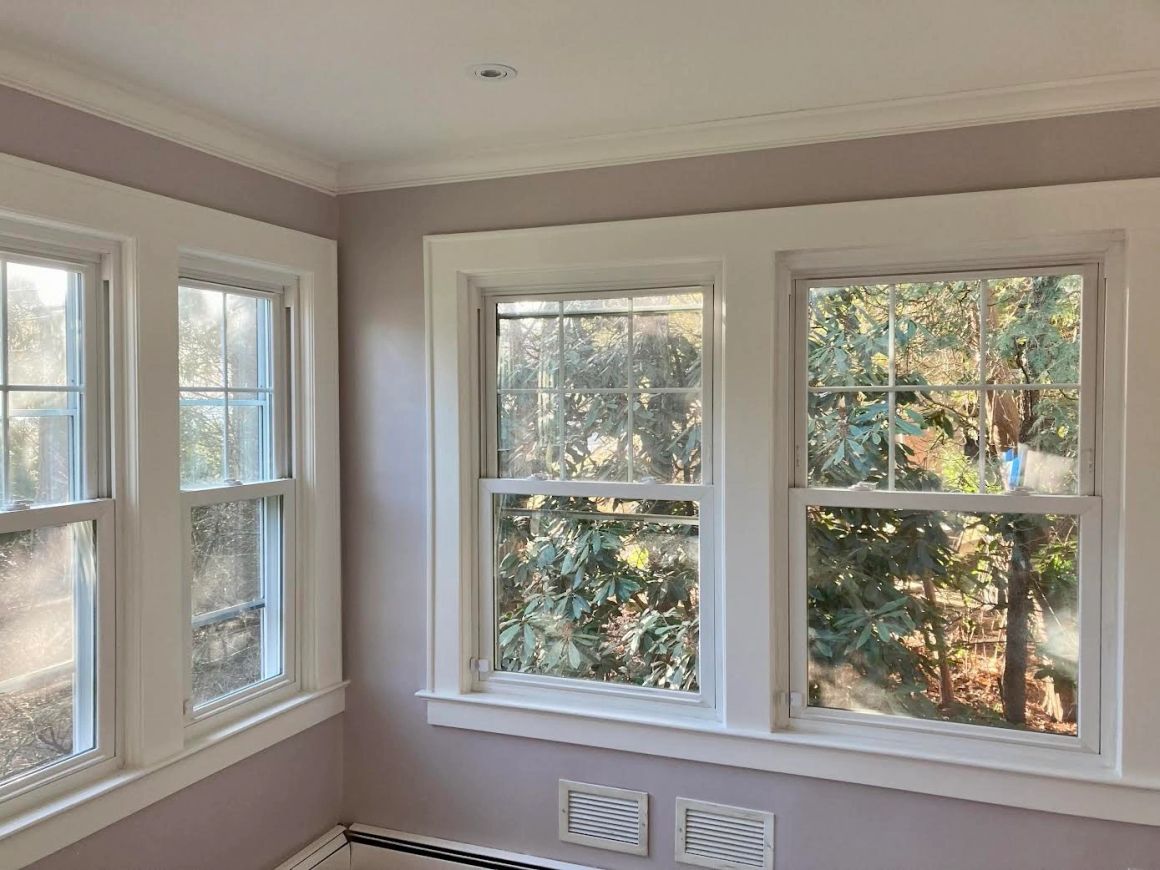

The main difference between interior and exterior paint comes down to the job each one is built to do. Interior paint is formulated for controlled indoor environments, with lower VOC levels and a finish made to handle cleaning and daily contact. Exterior paint is built to endure harsh weather, direct sunlight, and moisture, so it never belongs on your living room walls, and interior paint never belongs outside.
So let me walk you through what actually separates the two, and why our local climate makes the choice matter more than most homeowners expect.

The Main Difference Between Interior and Exterior Paint
Both are made from the same basic materials, pigments, resins, and a liquid carrier, but the recipes are tuned for completely different lives. Interior and exterior paints are simply formulated for different enemies.
Here is the main difference at a glance:
- Interior paint is designed for controlled indoor environments and everyday physical contact
- Exterior paint is designed to endure harsh weather conditions, wind, snow, and rain
- Interior paints have lower VOC levels than exterior paints, for better indoor air quality
- Exterior paint uses tougher, more flexible resins to survive our temperature swings
Exterior paint can release harmful VOCs indoors, so using it inside is a genuine health mistake, not just a technical one. Interior paint outdoors is the reverse problem, because it cannot withstand UV rays or moisture and starts peeling within months.
What Makes Interior Paint Different

Interior paint is formulated for controlled indoor spaces, where the real challenges are scuffs, fingerprints, dirt, and the occasional cleaning. It carries lower VOC levels and low odor, and it dries to the touch in about an hour, so a room comes back to life quickly.
Interior paint is built around comfort and appearance:
- Lower VOC and low odor for better indoor air quality
- Sheens from flat to satin to semi-gloss, chosen by room and use
- Easy cleaning on interior walls, trim, doors, and ceilings
- Dries faster than exterior paint, so the project moves quickly
One insider tip on sheen. Flat hides wall imperfections beautifully but is hard to wipe, while satin and semi-gloss clean easily and suit trim, doors, and busy rooms. Be careful too, because not every product labeled zero VOC is truly safe for indoor use, so the label alone is never enough.
What Makes Exterior Paint Different

Exterior paint lives a far harder life. Every exterior surface is exposed to high humidity, sub-zero winter cycles, direct sunlight, wind, snow, and rain, all while the paint has to stay bonded and looking right.
That is why exterior paint is built so differently:
- Extra flexibility to prevent cracking as temperatures change
- Strong moisture resistance and weather resistance against the elements
- Additives that protect against mildew growth in damp conditions
- High-grade acrylic or oil-based alkyd formulations for durability on wood siding, stucco, and exterior trim
Because the surface takes such a beating, premium weather-resistant products earn their price out here. Thorough surface preparation, including power washing and scraping away loose paint, is what makes an exterior painting project actually last.
Why Bergen County’s Climate Changes the Answer

This is where our location earns its own section. Bergen County experiences dramatic seasonal shifts, humid summers and freezing winters, and those temperature extremes work directly on your paint.
Our climate shapes the whole plan:
- High humidity can affect painting quality and how well paint adheres
- Moisture management is critical given our damp conditions and seasonal swings
- Exterior painting here is best from late spring through early autumn
- Interior painting can happen year-round, regardless of the weather outside
One more local note that truly matters. Older homes in Bergen County should be evaluated for lead-based paint, and lead-safe practices are required when disturbing surfaces in pre-1978 homes, so this is never a corner to cut.
If you want the full picture of what happens when prep gets rushed, it helps to understand why some interior paint jobs fail in the first place.
Which Paint Do You Need?
The simple rule: use interior paint on interior surfaces and exterior paint on exterior ones, and never swap them to save a few dollars. The right paint in the right place is the cheapest decision you will ever make, because the wrong one fails fast and costs you twice.
If you are unsure which products or sheens suit your home, that is exactly what we help with. From interior walls and trim to full exterior painting services, we match the right paint to every surface.
We are a locally owned, family-run team of professional painters serving the Bergen County service area. Reach out through our contact us page for a free estimate.
Frequently Asked Questions
What is the main difference between interior and exterior paint?
Interior paint is formulated for controlled indoor environments, with lower VOC levels and a finish made for cleaning and physical contact. Exterior paint is built to endure harsh weather, UV rays, and moisture. The two are not interchangeable.
Can I use exterior paint inside my house?
No. Exterior paint can release harmful VOCs indoors, which is a real air-quality concern in an enclosed space. Interior paint is the safer, low-odor choice for interior surfaces.
When is the best time for exterior painting in Bergen County?
Exterior painting here is best from late spring through early autumn, when temperatures and humidity are steadier. Our dramatic seasonal swings make timing a real factor for durability.
Does interior paint have fewer VOCs than exterior paint?
Yes. Interior paints have lower VOC levels than exterior paints for better indoor air quality. Still, check carefully, since not every zero-VOC label guarantees a product is safe for indoor use.
Whichever surface you are planning, matching the right paint to the right place is what makes the finish last. If you would like a hand deciding, I am always glad to take a look.


