
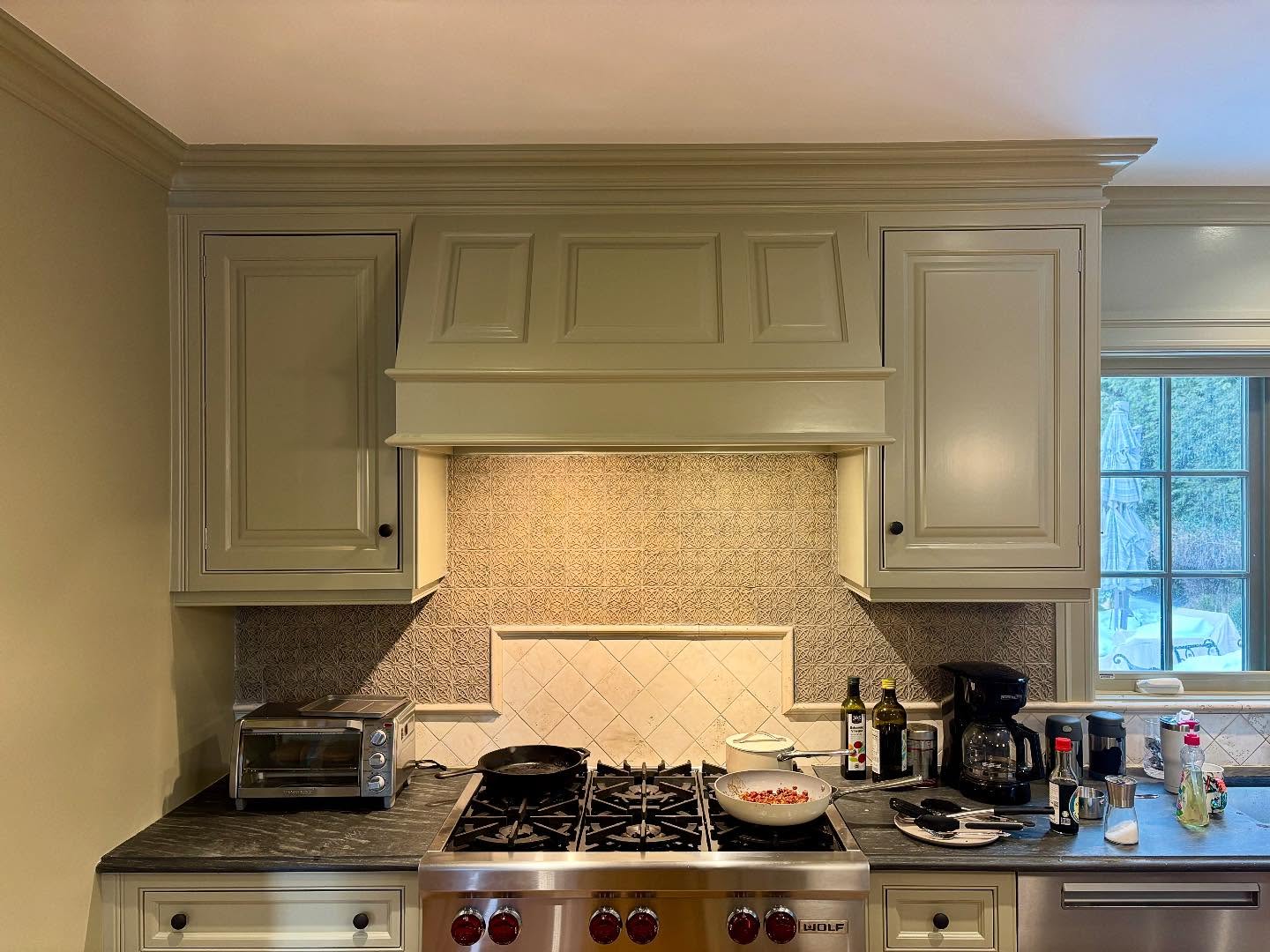

The best paint for your kitchen and bathroom walls is a moisture-resistant formula in a satin or semi-gloss sheen, ideally one with built-in mildew resistance.
Those rooms throw steam, splashes, and grease at your walls that a standard flat paint simply cannot handle. Get it right and your walls wipe clean and last for years; get it wrong and you are looking at peeling and mold within months.
After years painting kitchens and baths across Bergen County, these are the two rooms I get asked about most. So let me tell you exactly what holds up, what does not, and the mistakes I see time and again.
What Type of Paint Holds Up Best in Your Kitchen and Bath
Your kitchen and bathroom are the hardest-working rooms in the house. The paint on those walls has to survive steam, humidity, cooking grease, and regular wiping, all without breaking down.
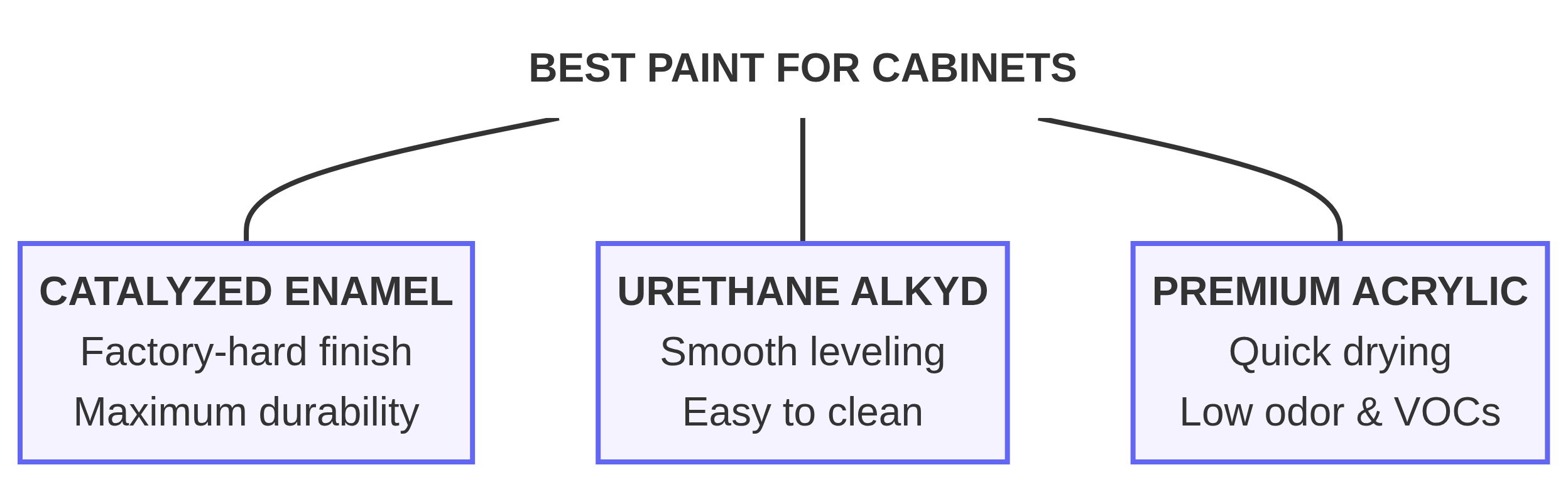
Here is what I look for when I choose a paint for these rooms:
- A moisture-resistant, washable formula built for high-humidity spaces
- Strong adhesion, so steam and heat cannot lift it off your wall
- A finish that cleans easily without leaving marks or dull patches
- Mildew-resistant properties to fight mold before it starts
For most of your kitchen and bath walls, I reach for a quality acrylic-latex paint made for exactly these conditions. It stays flexible as the room heats and cools, and it stands up to the daily scrubbing those walls actually get.
Which Sheen Is Best for Your High-Moisture Rooms
Sheen matters more here than in any other room, because the shinier the finish, the better it resists moisture and the easier it is to clean. That is why bathroom paint finishes lean toward some sheen, and flat paint has almost no place in your kitchen or bath.
Here is how I weigh up the main options for you:
- Satin: a soft, low-luster finish that resists moisture well and hides minor wall flaws. It is my go-to for most of your kitchen and bathroom walls.
- Semi-gloss: shinier, tougher, and the easiest to wipe down. I use it on your trim, doors, and the walls right around sinks, tubs, and the stove.
- Specialty bath paint: a purpose-made option with extra mildew resistance, worth it if your bathroom has poor ventilation.
One insider note on sheen. The higher the gloss, the more every bump and roller mark shows, so semi-gloss demands near-perfect prep to look right on your walls. Choosing the sheen room by room is exactly the judgment I have picked up over the years on the tools.
Is Mold- and Mildew-Resistant Paint Worth It for You?
In a Bergen County bathroom, yes, it usually is. Our humid summers and tightly sealed winter homes create the damp, still air that mold loves, so a mildew-resistant paint is a genuine line of defense for you. Spending a little more on it now is cheap next to repainting a peeling, spotted bathroom a year from now.
Paint on its own is not a cure, though, so I always tell you to pair it with good habits:
- Run the exhaust fan during and after every shower
- Wipe down surfaces that stay wet or collect splashes
- Fix leaks and moisture sources before they reach your walls
And here is one thing I will always tell you straight: never just paint over existing mold. A fresh coat traps it and it grows right back through the new paint, so the mold has to be removed and the surface treated first, then finished with a mildew-resistant product.
Can You Use Regular Wall Paint in a Bathroom?
You can, but I would talk you out of it, and here is what tends to happen. Standard flat wall paint is porous, so it soaks up moisture instead of shedding it.
In a steamy bathroom, that shows up as staining, bubbling, and paint peeling off the wall, often within a single season. A busy kitchen is no kinder, because grease and heat break a basic finish down fast. Using the right moisture-resistant paint from the start is far cheaper than stripping and redoing a failed job, which is a big part of why some interior paint jobs fail in these rooms.
The Prep That Actually Makes It Last
Here is where a lasting kitchen or bathroom job is really won. Your walls carry grease, soap film, and moisture residue that paint will never bond to if you leave it in place.
My crew works through the same steps every single time:
- Clean every surface to cut through grease and soap film
- Repair and sand any damaged spots for a smooth base
- Prime where needed so the new paint bonds and resists moisture
- Apply two even coats and let each one cure fully before use
That last step matters more than you would think. Moisture-resistant paints need proper cure time to reach their full toughness, so rushing your bathroom back into use too soon quietly undoes the work. It is the same reason a rushed job peels or bubbles in a humid room: the wrong paint, or the right paint over walls that were never prepped.
If your kitchen or bathroom is due for a refresh, or a past paint job has already started peeling on you, I would be glad to take a look. From full interior painting to a single problem room, we look after homes across the Bergen County service area. Reach out through our contact us page for a free estimate, and I will tell you straight what your walls actually need.
Frequently Asked Questions
What is the best paint finish for your bathroom?
Satin or semi-gloss. Both resist moisture far better than flat paint and wipe clean easily, and I lean on semi-gloss around your sinks, tubs, and showers where it gets the most contact.
Do you really need moisture-resistant paint in a kitchen?
Yes. Your kitchen faces steam, grease, and heat that break down standard paint fast, so a washable, moisture-resistant formula lasts much longer and cleans up better.
Why does your paint keep peeling or bubbling in a humid room?
It nearly always comes down to the wrong paint or rushed prep. Flat paint soaks up moisture and lifts, and paint over grease or a damp wall has nothing to grip.
Can you paint over mold on a bathroom wall?
No. A fresh coat just traps the mold and it grows back through your new paint. It must be removed and the surface treated first, then finished with a mildew-resistant product.


